Source Eco Friendly Cork Leather for bags shoes furniture
Compare 30 listings of Eco Friendly Cork Leather suitable for bags, shoes, and furniture. Buyers can review specifications like thickness, width, and backing materials from suppliers in China to find the right material for their projects.
Key considerations
Products List


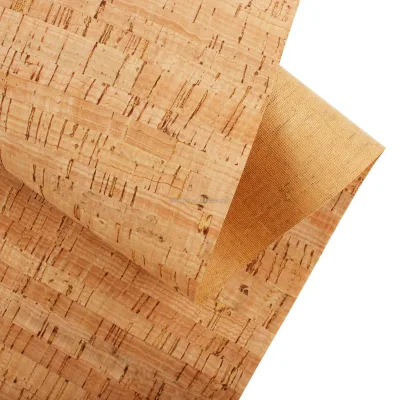
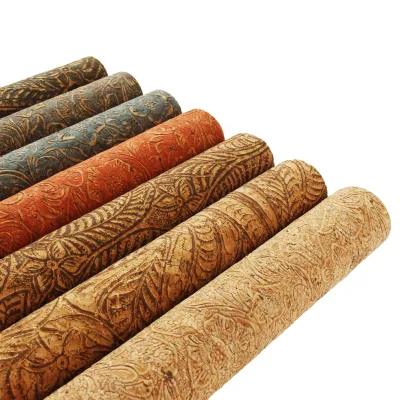
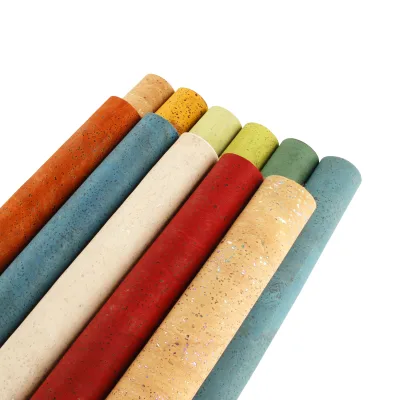
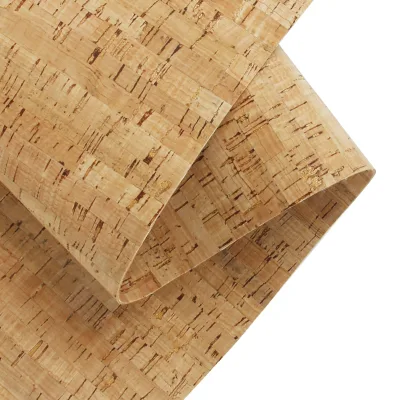


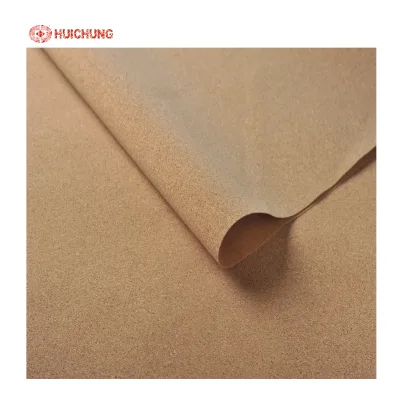
Cork Fabric Natural Eco Friendly Custom Design for Decoration and Crafts
$4.30 - $4.50
MOQ: 5000 Yards




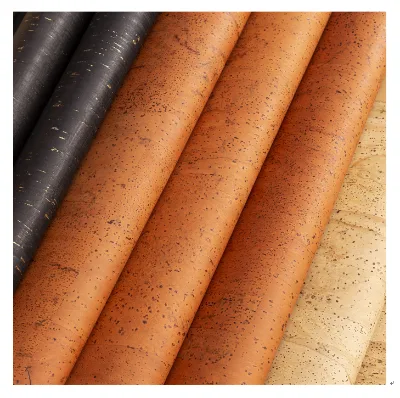


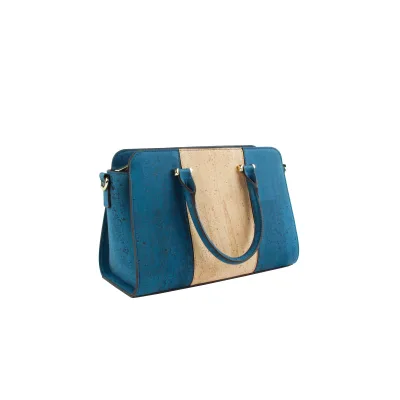
Luxury Single Double PU Leather Cork Eco-Friendly Material Wine Tote Bag
$3.20 - $3.50
MOQ: 500 Pieces
Comprehensive Sourcing Guide
Eco Friendly Cork Leather Sourcing Guide
Sourcing eco-friendly cork leather requires a nuanced understanding of material composition, supply chain transparency, and application-specific performance. This guide synthesizes observed market data and technical specifications to help procurement professionals navigate the complexities of sourcing sustainable alternatives to traditional animal leather and synthetic polyurethane. By focusing on verified attributes and commercial realities, buyers can mitigate risk and ensure alignment with corporate sustainability goals.
The following sections provide a structured approach to evaluating suppliers, verifying technical claims, and establishing robust quality control protocols. Each section is designed to address specific decision points in the procurement lifecycle, from initial product scoping to long-term supplier relationship management. The guidance is grounded in observed listing signals and trusted category knowledge, ensuring that recommendations are practical and evidence-based.
Product Scope and Observed Listing Signals
The market for cork leather presents a diverse range of products, often categorized under broader terms such as faux leather, split leather, or specialized fabric blends. Observed listings indicate a wide variety of applications, including footwear, bags, furniture upholstery, home textiles, and accessories like notebooks and belts. The material is frequently described with attributes such as anti-mildew, water-resistant, and abrasion-resistant, suggesting versatility across both fashion and industrial sectors. Buyers should note that while "cork leather" is a common search term, the actual material composition can vary significantly between suppliers, ranging from pure cork veneers to cork-infused PU or fabric-backed composites.
Price and minimum order quantity (MOQ) signals reveal a highly fragmented market with significant variability. Observed price ranges span from approximately $0.20 to $57.70 USD, reflecting differences in thickness, backing technology, and brand positioning. MOQs are equally diverse, ranging from as low as 2 yards for sample-friendly suppliers to 5,000 units for large-scale industrial orders. Some suppliers offer flexible packaging options, such as OPP color bags or PE film, while others provide bulk woven bag packaging. This variability necessitates careful alignment of supplier capabilities with specific project volumes and budget constraints.
Technical Specifications to Verify
Thickness and width are critical dimensions that directly impact material usability and waste management. Observed specifications indicate thicknesses ranging from 0.4±0.1mm to 1.2mm, with widths commonly listed around 135cm to 137cm (approximately 54/55 inches). Buyers must verify these dimensions against their pattern-making requirements, as thinner sheets may be suitable for lightweight accessories like wallets or gloves, while thicker variants are better suited for furniture or heavy-duty bags. The backing technology also varies, with options including knitted fabrics, TC/PU blends, or pure cork layers, each offering different levels of flexibility and durability.
Surface finish and pattern options further define the material's aesthetic and functional properties. Listings frequently mention "finished" patterns, solids, and customized options such as embossing, printing, or film application. Color availability is often described as "assorted" or "natural," with some suppliers offering custom color matching. It is essential to request physical samples to assess the tactile quality, color consistency, and the integrity of the surface finish. The presence of features like anti-static or moisture-resistant properties should be confirmed through supplier documentation or independent testing, as these attributes can significantly influence the material's suitability for specific end-use environments.
Compliance and Safety Documentation
Regulatory compliance is a non-negotiable aspect of sourcing cork leather, particularly for markets with strict environmental and safety standards. Observed listings frequently cite certifications such as SGS, ISO9001, RoHS, and REACH, indicating a commitment to quality management and chemical safety. Buyers should request valid, up-to-date certification documents to verify that the supplier’s claims are substantiated by accredited third-party testing. While OEKO-TEX is mentioned in background knowledge, its specific applicability to cork leather products should be confirmed with the supplier, as it is more commonly associated with textile fabrics than composite leather materials.
Chemical safety and environmental impact are paramount when evaluating eco-friendly claims. REACH compliance ensures that the material does not contain restricted substances of very high concern, which is crucial for products intended for consumer use, especially in the EU market. RoHS certification further assures that the material is free from specific hazardous electrical and electronic components, though its relevance may vary depending on the product type. Buyers should also inquire about the sourcing of the cork itself, ensuring it is harvested sustainably from cork oak forests without damaging the trees, as this is a key component of the material's eco-friendly narrative.
Cost Drivers and Commercial Terms
Several factors influence the final cost of cork leather, including material thickness, backing complexity, and customization requirements. Thicker materials and those with specialized backings, such as knitted or PU-infused layers, typically command higher prices due to increased production complexity. Customization options, such as embossing, printing, or custom color matching, add additional costs related to setup and material waste. Buyers should request detailed quotations that break down these costs to understand the true value proposition and avoid hidden fees associated with tooling or sample production.
Commercial terms, including MOQs and payment conditions, play a significant role in the overall procurement strategy. Suppliers with lower MOQs, such as 2 yards, may charge a premium per unit but offer greater flexibility for small-batch or prototyping projects. Conversely, high-volume orders can leverage economies of scale to reduce unit costs, but require larger upfront commitments. Packaging options also impact logistics costs; bulk packaging in woven bags is generally more cost-effective for large shipments, while individual OPP bags may be necessary for retail-ready products. Buyers should negotiate terms that align with their cash flow and inventory management strategies.
Supplier Qualification and Quality Control
Supplier qualification begins with verifying the origin and manufacturing capabilities of the provider. Observed listings indicate that many suppliers are based in Guangzhou, Guangdong, China, a major hub for textile and leather goods production. Buyers should conduct due diligence to assess the supplier’s production capacity, quality control processes, and ability to meet specific technical requirements. Requesting references from existing clients and visiting the facility, if possible, can provide valuable insights into the supplier’s operational standards and reliability.
Quality control protocols should be established early in the procurement process to ensure consistent product quality. Buyers should define clear acceptance criteria for dimensions, color, texture, and performance attributes such as abrasion resistance and water repellency. Implementing a sampling phase before full-scale production is crucial to validate the material’s suitability for the intended application. Regular inspections during production and pre-shipment checks can help identify and rectify defects early, minimizing the risk of costly returns or production delays. Establishing a clear communication channel with the supplier for addressing quality issues is also essential for maintaining a productive partnership.
Long-Term Procurement Checks
Sustainable sourcing requires ongoing monitoring of supplier performance and material consistency. Buyers should periodically review supplier certifications and compliance documentation to ensure they remain valid and up-to-date. Regular audits of the supplier’s quality control processes and production facilities can help identify potential risks and areas for improvement. Maintaining open communication with the supplier regarding market trends, material innovations, and regulatory changes can also help buyers stay ahead of industry developments and adapt their sourcing strategies accordingly.
Building a resilient supply chain involves diversifying suppliers and establishing backup options for critical materials. Relying on a single supplier can expose the business to risks such as production disruptions, price volatility, or quality inconsistencies. By cultivating relationships with multiple qualified suppliers, buyers can mitigate these risks and ensure continuity of supply. Additionally, tracking key performance indicators such as on-time delivery, defect rates, and responsiveness to issues can provide objective metrics for evaluating supplier performance and making informed sourcing decisions over time.
FAQs
What materials are used for Eco Friendly Cork Leather?
The product is made from cork material and PU. Some variants also feature a knitted backing with TC/PU options available as needed for specific applications.
Which certifications do these cork leather products hold?
Products meet SGS, ISO9001, RoHS, and REACH standards. These certifications ensure the materials comply with safety and environmental requirements for various industries.
How wide are the Eco Friendly Cork Leather rolls?
Widths vary by model, with options including 54/55 inches, 137CM, and 135CM. Specific dimensions depend on the selected model number and production batch.
Can I customize the color and pattern of the leather?
Yes, colors and patterns can be customized with embossing, printing, or film finishes. Natural options are also available alongside tailored designs for specific projects.
What is the minimum order quantity for these products?
MOQs range from 2 yards to 5000 units depending on the supplier and product type. Some listings specify 50 yards or 2 yards as the baseline requirement.
Where are these cork leather products manufactured?
Products originate from Guangzhou and Guangdong, China. All listed items are confirmed as made in China with specific factory locations in these regions.
What are the key features of this eco friendly material?
Features include anti-mildew, abrasion resistance, eco-friendly status, and moisture resistance. Additional properties may include wind proofing, antistatic capabilities, and super absorbency.